
Is Dry Eye a Sign of an Underlying Health Condition?
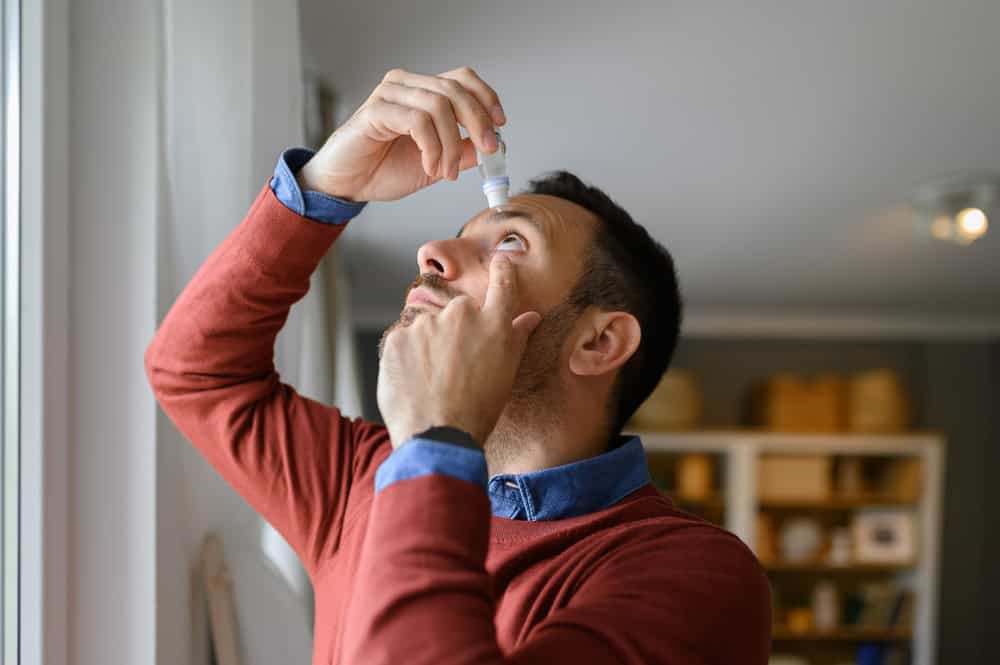
Dry eye is often associated with screen time, aging, or environmental irritation, but for some people, it may also signal a larger health issue. Chronic dryness, burning, fluctuating vision, or eye irritation can sometimes be related to underlying medical conditions that affect tear production, inflammation, or gland function.
At Tres Vision Group in Melbourne and Brevard County, our board-certified eye doctors help identify the root causes of dry eye and develop personalized treatment plans for long-term relief.
How Dry Eye Develops
Healthy tears are made up of water, oils, and mucus that work together to keep the eye surface lubricated and stable. When the tear film becomes unbalanced — or when the eyes do not produce enough tears — patients may experience symptoms such as:
- Burning or stinging
- Redness
- Grittiness or irritation
- Blurry or fluctuating vision
- Excessive tearing
- Light sensitivity
While environmental triggers may contribute, persistent symptoms often require a closer evaluation.
Health Conditions Linked to Dry Eye
Several systemic health conditions are associated with chronic dry eye, including:
Autoimmune Disorders
Conditions such as Sjogren’s syndrome, rheumatoid arthritis, and lupus can affect the body’s moisture-producing glands, reducing tear production and causing significant dryness. Sjogren’s syndrome, in particular, is strongly linked to severe dry eye symptoms.
Diabetes
Diabetes can affect the nerves and glands responsible for maintaining a healthy tear film. Patients with diabetes may experience reduced tear production, corneal sensitivity changes, and chronic irritation.
Thyroid Disease
Certain thyroid disorders, especially autoimmune thyroid disease, may increase inflammation around the eyes and contribute to dryness and irritation.
Hormonal Changes
Hormonal fluctuations associated with menopause, pregnancy, or aging can alter tear composition and increase dry eye symptoms. This is one reason dry eye becomes more common after age 40.
Medications Can Also Play a Role
Some commonly used medications may reduce tear production, including:
- Antihistamines
- Decongestants
- Antidepressants
- Blood pressure medications
- Acne medications
If dry eye develops after starting a new medication, your eye doctor can help determine whether it may be contributing to symptoms.
Why Proper Diagnosis Matters
Not all dry eye is the same. Some patients primarily have aqueous-deficient dry eye, while others have evaporative dry eye caused by meibomian gland dysfunction (MGD). Identifying the underlying cause allows for more effective treatment and better long-term symptom control.
At Tres Vision Group, advanced diagnostic testing helps evaluate tear quality, gland function, and ocular surface health to create targeted treatment plans.
Advanced Dry Eye Treatment in Melbourne, FL
For many patients, treating the underlying cause of dry eye is just as important as treating the symptoms themselves. Tres Vision Group offers advanced solutions, including LipiFlow®, prescription therapies, and customized management plans to improve comfort and support long-term eye health.
If you are experiencing chronic dry eye symptoms, schedule an evaluation with Tres Vision Group today. We proudly serve Floridian patients in Melbourne, Merritt Island, Suntree, Viera, and throughout Brevard County. Contact us at (321) 984-3200.